
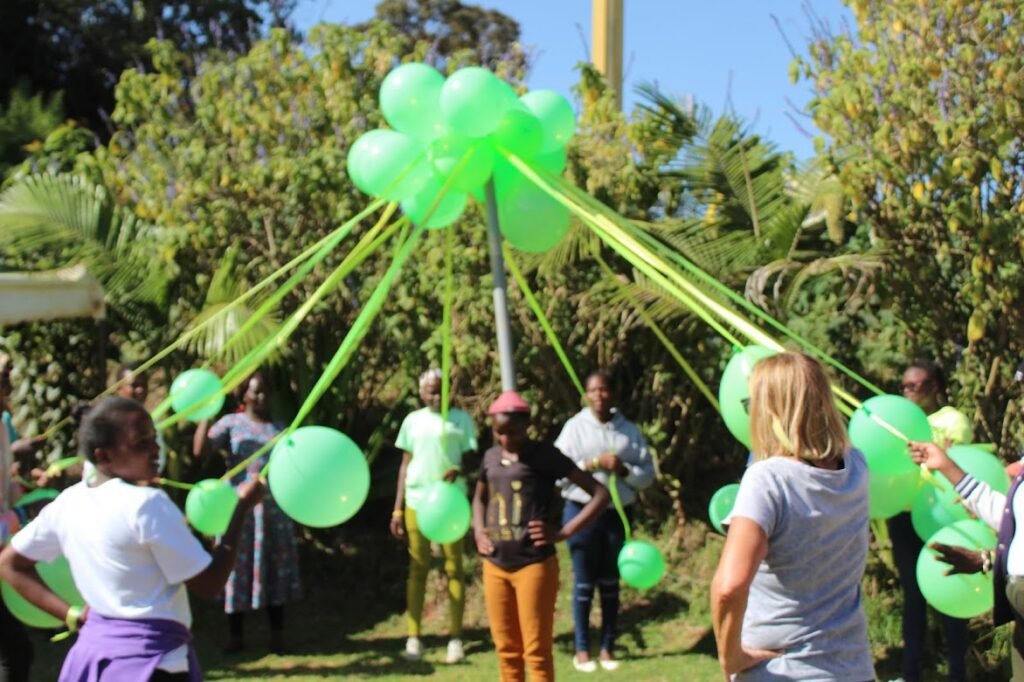
If your church or organization is exploring a mission trip to Africa for the first time, the questions come fast: What will we actually do? Is it safe? Will we genuinely help, or just get in the way? As a Kenyan team that hosts mission groups year-round, here are the honest answers we give every leader who calls us.
A mission tour, defined simply
A mission tour is a short-term trip — usually one to three weeks — where a team travels to serve alongside a local community, church or project. The key phrase is alongside. The best trips don’t parachute in with outside solutions; they join work that local partners are already doing: teaching, building, medical outreach, youth programs, discipleship, and skills training.
Done well, a mission tour changes two groups of people: the community gains hands, resources and encouragement — and your team goes home with their faith and worldview permanently enlarged. Ask anyone who has been: the second change is usually the bigger one.
What a typical week in Kenya looks like
Most of our teams follow a rhythm like this: mornings serving at the partner project (a school classroom build, a medical outreach day, a vacation Bible school), afternoons in relationship — home visits, shared meals, football with the youth — and evenings for team debrief and rest. Sundays are for worship with the local congregation, which most travelers name as the highlight of the entire trip. Many teams finish with a two- or three-day safari; after a week of pouring out, watching the sun rise over the Masai Mara is the deep breath everyone needs.
The ethics question — and why you should ask it
You may have read criticism of “voluntourism,” and some of it is deserved. Short-term teams can do harm when they take work from local labor, treat children’s homes as attractions, or build things nobody asked for. Here’s what to demand from any organizer, including us: year-round local partnerships (not one-off visits), projects requested and led by the community, strict child-protection policies, local purchasing of materials, and honesty about what a short-term team can and cannot accomplish. If an operator can’t answer these questions clearly, keep looking.
What it costs
Budget for three parts: international flights (typically $900–$1,500 from North America or Europe to Nairobi, seasonal), the in-country package (accommodation, meals, transport, project coordination — usually $80–$150 per person per day depending on group size and comfort level), and a project contribution that funds the actual work. Most teams fundraise for six to nine months, and we provide letters and materials to help.
When to start planning
Twelve months ahead is comfortable; six is the practical minimum. That allows time for team recruitment, fundraising, flights at good prices, visas (Kenya’s eTA is a simple online application), and vaccinations.
Ready to explore it?
Tell us your team size, possible dates and the skills you’re bringing, and we’ll send a sample day-by-day itinerary with transparent pricing — free, no pressure. [Request a Mission Trip Itinerary →]