
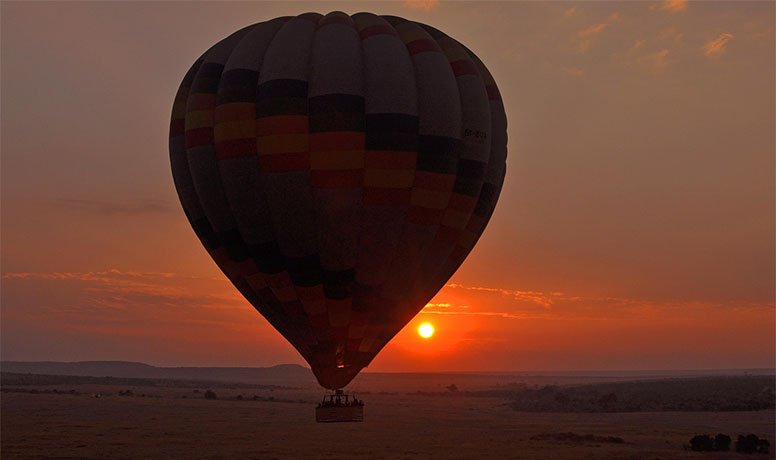
Ever wondered how a Safari in Kenya would be?
Kenya has long been synonymous with the ultimate African safari experience, and for good reason. This East African nation offers an unparalleled combination of diverse ecosystems, abundant wildlife, experienced guides, and excellent infrastructure that creates the perfect environment for unforgettable wildlife adventures. Whether you’re a first-time safari-goer or a seasoned wildlife enthusiast, a safari in Kenya promises encounters and experiences that will remain etched in your memory for a lifetime.

As we move into 2025, Kenya’s safari industry continues to evolve, balancing traditional game viewing experiences with innovative approaches to conservation, community involvement, and sustainable tourism. This comprehensive guide will walk you through everything you need to know to plan and experience the perfect safari in Kenya, from choosing the right destinations to understanding the various safari styles available and preparing appropriately for your adventure.
Why Kenya Remains the Ultimate Safari Destination in 2025
When the concept of African safaris first captured the global imagination in the early 20th century, Kenya was at the forefront. Today, despite the emergence of numerous alternative safari destinations across Africa, Kenya continues to hold its position as the premier choice for wildlife enthusiasts. Several factors contribute to Kenya’s enduring appeal for those seeking an authentic safari in Kenya experience.
First and foremost is the country’s remarkable biodiversity. Kenya hosts over 25,000 different animal species, including 140 species of mammals and more than 1,100 bird species. This diversity is supported by varied ecosystems ranging from the iconic savannas of the Maasai Mara to the forests of Mount Kenya, the semi-arid landscapes of Samburu, and the wetlands around Lake Nakuru. This variety means that a safari in Kenya can offer encounters with an extraordinary range of wildlife within a single country.
The density of wildlife in Kenya’s protected areas is equally impressive. The Maasai Mara, in particular, boasts one of Africa’s highest concentrations of predators, while Amboseli National Park is renowned for its large elephant herds. This abundance increases the likelihood of spectacular sightings, even on shorter safaris, making Kenya an excellent choice for first-time safari-goers with limited time.
Kenya’s safari infrastructure is another significant advantage. Decades of experience in wildlife tourism have resulted in a well-developed network of lodges, camps, guides, and transportation options catering to various preferences and budgets. From luxury lodges with infinity pools overlooking waterholes to authentic mobile camps that follow wildlife movements, accommodation options for a safari in Kenya are diverse and sophisticated.
Accessibility also sets Kenya apart. Direct flights connect Nairobi to major international hubs, and the country’s network of domestic flights allows visitors to reach remote wildlife areas efficiently. This connectivity means that even travelers with just a week to spare can experience multiple distinct ecosystems and wildlife populations.
Finally, Kenya’s commitment to conservation continues to strengthen. The country has pioneered innovative approaches to protecting wildlife while benefiting local communities, from community conservancies that create buffer zones around national parks to private reserves that fund conservation through high-end tourism. By choosing a safari in Kenya, visitors contribute directly to these conservation efforts, ensuring the preservation of these precious ecosystems for future generations.
## Types of Safaris Available in Kenya
One of the most exciting aspects of planning a safari in Kenya is the variety of experiences available. Different safari styles offer unique perspectives on wildlife and landscapes, and combining several approaches creates a more comprehensive and engaging adventure.
### Classic Game Drive Safaris
The traditional game drive remains the cornerstone of any safari in Kenya. Typically conducted in specialized 4×4 vehicles with pop-up roofs that allow standing for better visibility and photography, game drives provide the mobility to cover substantial ground in search of wildlife while carrying necessary equipment for comfort and safety.
Morning game drives, usually departing at dawn, take advantage of the cooler temperatures when animals are most active. The soft morning light also creates ideal conditions for photography. Many predators hunt during the night or early morning, increasing the chances of witnessing dramatic action during these early excursions.
Afternoon drives often begin after lunch and extend into the early evening, capturing another period of heightened animal activity as temperatures cool. The golden light of late afternoon, known as “the magic hour” among photographers, bathes the landscape in warm tones that enhance wildlife imagery.
The flexibility of game drives allows guides to respond to wildlife movements and sightings reported through guide networks. If a leopard is spotted in a distant section of the reserve or a river crossing is imminent during the Great Migration, vehicles can quickly reposition to witness these special events.
For the most rewarding game drive safari in Kenya, consider the following tips:
– Communicate your specific interests to your guide, whether you’re passionate about birds, big cats, or elephants
– Bring appropriate camera equipment with protection from dust
– Wear neutral-colored clothing (avoiding bright colors and white)
– Pack layers to accommodate temperature changes throughout the day
– Remember that patience often yields the most spectacular sightings
Table of Contents
### Walking Safaris: Up Close with Nature
For a more intimate connection with the African bush, walking safaris offer a completely different perspective from game drives. On foot, you experience the environment through all your senses – the scents of wild sage and animal trails, the sounds of insects and distant wildlife, and the feeling of the same earth beneath your feet that supports the ecosystem’s magnificent creatures.
Walking safaris during your safari in Kenya are typically led by specially trained guides, often accompanied by armed rangers for safety. Rather than focusing exclusively on large mammals, these experiences highlight the ecosystem’s smaller components – the insects, plants, tracks, and scat that tell the story of wildlife movements and behaviors.
The Laikipia region has become particularly renowned for walking safaris, with private conservancies like Lewa Wildlife Conservancy and Ol Pejeta offering excellent guided walks. In the Maasai Mara, several conservancies surrounding the national reserve permit walking with experienced Maasai guides who bring generations of traditional knowledge to the experience.
Safety is paramount during walking safaris, with guides carefully selecting routes that minimize potential danger while maximizing interesting sightings. Participants receive thorough briefings on proper behavior, including walking in single file, maintaining silence when appropriate, and following guide instructions immediately.
While you might not approach as close to large predators as you would in a vehicle, the trade-off is a deeper understanding of the ecosystem and a sense of accomplishment that comes from exploring the wilderness on its own terms. Many safari enthusiasts find that combining game drives with occasional walks creates the most satisfying overall safari in Kenya experience.
### Hot Air Balloon Safaris: A Bird’s Eye View
For an unforgettable perspective on Kenya’s wildlife landscapes, few experiences can match a hot air balloon safari. Floating silently above the plains as the sun rises, watching wildlife from above without disturbing their natural behaviors, creates memories that last a lifetime.
The Maasai Mara offers the most popular balloon safaris in Kenya, with daily flights operating year-round. The experience typically begins well before dawn, as guests are collected from their lodges and transported to the launch site. Watching the massive balloons inflate in the pre-dawn darkness builds anticipation for the adventure ahead.
Once airborne, balloons drift with the prevailing winds, offering unpredictable but always spectacular views. From this vantage point, you might observe patterns invisible from the ground – the winding paths created by hippos moving between water sources, the organized structure of wildebeest herds during migration, or the territories of different lion prides marked by their presence.
Flights usually last about an hour, followed by a champagne breakfast set up in the bush – a civilized conclusion to an exhilarating experience. While balloon safaris represent a premium addition to your safari in Kenya itinerary, most participants consider them well worth the investment for the unique perspective and photographic opportunities they provide.
Beyond the Mara, balloon safaris are increasingly available in other regions, including Amboseli National Park, where flights offer spectacular views of Mount Kilimanjaro, and the Laikipia Plateau, where diverse landscapes create varied and beautiful panoramas.
### Night Safaris: Discovering Nocturnal Wildlife
When the sun sets during a traditional safari in Kenya’s national parks, vehicles typically return to lodges and camps as park regulations prohibit night driving. However, private conservancies and certain wildlife areas operate under different rules that permit carefully conducted night drives, opening up an entirely different dimension of wildlife viewing.
After dark, many of Africa’s most fascinating creatures become active. Elusive predators like leopards begin their hunting activities, while smaller nocturnal specialists such as genets, civets, bush babies, and aardvarks emerge from daytime hiding places. Equipped with powerful spotlights that use red filters to avoid disturbing animals, safari vehicles can observe these nocturnal behaviors while minimizing their impact.
The Laikipia region’s private conservancies offer some of Kenya’s best night safari opportunities, with experienced guides who know where to find specific nocturnal species. The Mara Naboisho Conservancy and other private areas surrounding the Maasai Mara also permit night drives, adding another dimension to the region’s wildlife viewing opportunities.
Beyond the excitement of spotting rarely-seen creatures, night safaris reveal fascinating behaviors not observable during daylight hours. You might witness lions beginning a hunt, hyenas communicating through their eerie “whooping” calls, or the surprisingly active social life of creatures typically glimpsed only briefly during the day.
For photography enthusiasts, night safaris present technical challenges but potential rewards in capturing unique images. Modern cameras with high ISO capabilities can produce remarkable results, though specialized equipment and techniques yield the best outcomes.
## Top Safari Destinations in Kenya Beyond Maasai Mara
While the Maasai Mara rightfully claims fame as Kenya’s premier safari destination, particularly during the Great Migration, the country offers numerous other exceptional wildlife areas that deserve consideration when planning your safari in Kenya. Each region presents distinct ecosystems, unique wildlife specialties, and different safari experiences. Dofollow https://goroundafrica.com/house/holly-cottage-2/
### Amboseli National Park: Elephants and Kilimanjaro Views
Few wildlife images are more iconic than elephants striding across the plains with snow-capped Mount Kilimanjaro in the background – a scene that defines Amboseli National Park. Located in southern Kenya near the Tanzanian border, this compact park (392 square kilometers) offers some of Africa’s most reliable elephant viewing, with herds sometimes numbering in the hundreds.
What makes Amboseli’s elephants particularly special is their status as one of the longest-studied populations in Africa. Researchers have monitored these herds for decades, accumulating unprecedented knowledge about elephant behavior, communication, and social structures. This research has contributed significantly to elephant conservation efforts worldwide.
Beyond elephants, Amboseli’s varied habitats – from dried lake beds and wetlands to grasslands and woodlands – support diverse wildlife including lions, cheetahs, giraffes, zebras, and over 400 bird species. The park’s relatively small size means that game drives cover the key areas efficiently, making it ideal for visitors with limited time for their safari in Kenya.
The backdrop of Kilimanjaro, Africa’s highest mountain, provides spectacular photographic opportunities, particularly in the clear early mornings before clouds typically gather around the peak. Though the mountain actually stands across the border in Tanzania, Amboseli offers the most magnificent views of this majestic landmark.
Amboseli combines well with other southern Kenya destinations like Tsavo or the Chyulu Hills, creating diverse itineraries that showcase different ecosystems within a relatively compact geographic area. The park is accessible by road from Nairobi (approximately 4-5 hours) or via daily scheduled flights to Amboseli airstrip.
### Tsavo East and West: Kenya’s Largest Wildlife Sanctuary
Covering a combined area of over 21,000 square kilometers, the Tsavo parks form Kenya’s largest protected wildlife area – a vast wilderness that offers a sense of exploration and discovery often missing in more compact, popular parks. Divided by the Nairobi-Mombasa highway and railway, Tsavo East and West have distinct characters that complement each other beautifully.
Tsavo East features semi-arid plains and the scenic Yatta Plateau, the world’s longest lava flow. The park is known for its “red elephants” – a visual effect created when these massive creatures dust-bathe in the park’s distinctive rusty-colored soil. The Galana River creates a lush ribbon through the otherwise dry landscape, attracting diverse wildlife and creating excellent game viewing opportunities.
Tsavo West presents a more varied topography with rocky outcrops, rolling hills, and the magnificent Mzima Springs, where crystal-clear water filtered through volcanic rock supports hippos, crocodiles, and abundant fish visible from an underwater viewing chamber. The Ngulia Rhino Sanctuary protects a population of the critically endangered black rhino, offering one of Kenya’s best chances to observe these rare creatures.
The Tsavo parks’ vast size means lower visitor density compared to more famous safari destinations, creating a more exclusive safari in Kenya experience. Wildlife, while abundant, is sometimes more dispersed than in compact parks like the Maasai Mara, requiring more patience and time for optimal viewing. This characteristic makes Tsavo ideal for safari enthusiasts seeking a more exploratory experience rather than guaranteed quick sightings.
Historically significant as the setting for the infamous “Man-Eaters of Tsavo” incident in the late 1890s (when a pair of lions terrorized railway workers), the region combines natural splendor with fascinating colonial history. Several lodges and camps, ranging from historic establishments to modern luxury properties, provide excellent bases for exploring this magnificent wilderness.
### Samburu National Reserve: Unique Northern Species
For travelers seeking distinctive wildlife not found in southern Kenya, Samburu National Reserve offers an extraordinary safari in Kenya experience. Located in Kenya’s northern frontier district, this rugged, semi-arid landscape supports the “Samburu Special Five” – reticulated giraffe, Grevy’s zebra, gerenuk, beisa oryx, and Somali ostrich – species adapted to drier conditions and rarely seen in southern parks.
The Ewaso Nyiro River forms Samburu’s lifeblood, creating a lush oasis that attracts wildlife from the surrounding arid landscape. During dry seasons, the concentration of animals along the riverbanks can rival the density found in more famous parks, with elephants, lions, leopards, and cheetahs joining the region’s specialized species.
Samburu’s distinctive landscape, characterized by doum palms, acacia trees, and rocky outcrops, creates a photogenic backdrop for wildlife viewing and a marked contrast to the open savannas of the Maasai Mara. The quality of light in this northern region – clear, sharp, and with remarkable color rendition – delights photographers seeking something different from the typical safari images.
Cultural interactions add another dimension to the Samburu experience. The Samburu people, close relatives of the Maasai but with distinct traditions and customs, maintain their traditional pastoralist lifestyle in this region. Many lodges facilitate authentic cultural visits that provide insights into how these communities have adapted to this challenging environment for centuries.
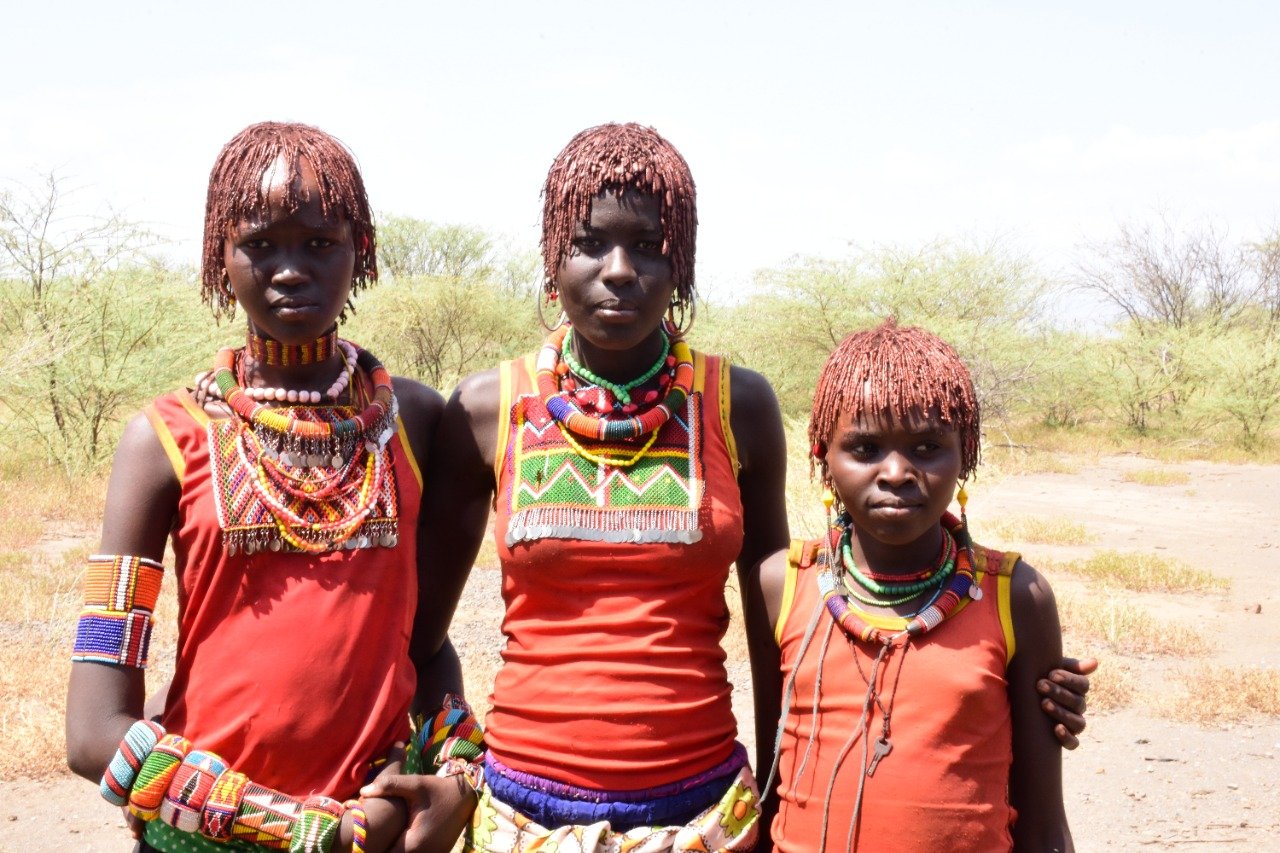
Samburu combines effectively with nearby reserves including Buffalo Springs and Shaba, creating a comprehensive northern circuit. For a truly diverse safari in Kenya, consider contrasting Samburu with the Maasai Mara or Amboseli, experiencing the remarkable variations in landscapes, wildlife, and cultures within a single country.
### Lake Nakuru: Flamingo Paradise and Rhino Sanctuary
The alkaline waters of Lake Nakuru once hosted one of Africa’s most spectacular natural phenomena – massive flocks of flamingos that turned the lake’s shores pink with their presence. While changing water levels and conditions have made these flamingo gatherings less predictable in recent years, the lake and surrounding national park still offer compelling reasons to include this destination in your safari in Kenya itinerary.
Lake Nakuru National Park has developed into one of Kenya’s most successful rhino sanctuaries, protecting significant populations of both black and white rhinos within its secure boundaries. The park’s relatively compact size and effective protection measures make it one of the most reliable locations in Kenya to observe these endangered species, sometimes with multiple sightings during a single game drive.
Beyond rhinos, the park supports healthy populations of lions, leopards (particularly visible in the yellow-barked acacia trees), Rothschild’s giraffes, waterbuck, and numerous other species. The lake itself, despite fluctuating flamingo numbers, attracts diverse waterbirds including pelicans, cormorants, herons, and storks.
The park’s varied habitats, from lakeshore flats to rocky cliffs and woodland, create diverse viewing environments within a manageable area. A network of well-maintained roads allows access to key wildlife zones, while several elevated viewpoints offer spectacular panoramas across the lake and surrounding landscapes.
Lake Nakuru’s location in the Great Rift Valley makes it easily combinable with other nearby attractions including Lake Naivasha, Hell’s Gate National Park, and the private conservancies of Laikipia to the north. The park is accessible by road from Nairobi (approximately 3 hours) or via scheduled flights to nearby airstrips, making it feasible even for travelers with limited time for their safari in Kenya.
## What to Pack for Your Kenyan Safari Adventure
Proper preparation enhances your safari in Kenya experience significantly. While specific needs vary based on your itinerary, season of travel, and personal preferences, certain essentials apply to most safari adventures.
Clothing should focus on functionality rather than fashion, with neutral colors (khaki, olive, tan, brown) that blend with the environment and don’t distract wildlife. Avoid bright colors and pure white, which stands out starkly in natural settings. Layering is crucial, as early mornings and evenings can be surprisingly cool even when daytime temperatures soar.
Essential clothing items for your safari in Kenya include:
– Lightweight, long-sleeved shirts and long pants (offering sun and insect protection)
– A warm fleece or jacket for morning and evening game drives
– A wide-brimmed hat for sun protection
– Comfortable, closed walking shoes or hiking boots
– A light rain jacket or windbreaker, particularly during green seasons
– A swimsuit for lodge pools
– One smart-casual outfit for dinners at upscale lodges
Photography equipment requires careful consideration. While professional wildlife photographers carry extensive gear, most travelers find a good-quality zoom lens (something in the 100-400mm range) adequate for most wildlife situations. Remember to pack:
– Sufficient memory cards
– Extra batteries and charging equipment
– A dust-proof camera bag
– Lens cleaning supplies
– A beanbag or small tripod for stability
Health and comfort items should include:
– High-SPF sunscreen
– Insect repellent containing DEET
– Hand sanitizer
– Personal medications
– A basic first-aid kit
– A headlamp or flashlight for navigating camps after dark
Binoculars significantly enhance your safari in Kenya experience, allowing detailed observation of distant wildlife and birds. Quality matters more than size – 8×42 or 10×42 specifications offer a good balance of magnification and light-gathering capability without excessive weight.
Most safari operators impose strict luggage limitations, particularly for flights on small aircraft between wildlife areas. Typically, soft-sided duffel bags weighing no more than 15kg (33lbs) are required. Check your specific operator’s guidelines and plan accordingly, focusing on versatile items that serve multiple purposes.
## Safari Etiquette: Respecting Wildlife and Local Communities
A responsible approach to your safari in Kenya enhances not only your personal experience but contributes to the sustainability of wildlife tourism and its benefits for conservation and communities. Understanding and following proper safari etiquette is essential for ethical wildlife viewing.
When observing wildlife, remember that you are a guest in their habitat. Maintain a respectful distance that doesn’t disturb natural behaviors or cause stress. Your guide will determine appropriate viewing distances based on species, individual animals’ comfort levels, and specific situations like breeding or hunting.
Remain quiet during wildlife sightings, speaking in hushed tones and avoiding sudden movements that might startle animals. Never attempt to attract animals’ attention through noises or actions – observing natural, undisturbed behavior provides the most authentic and educational experience.
Stay within your vehicle except at designated areas where guides determine it’s safe to disembark. Predators generally view vehicles as neutral objects but may perceive humans on foot as potential prey or threats. Even herbivores like buffalo and elephants can be dangerous when approached inappropriately.
Photography should never take precedence over animal welfare. Avoid using flash photography, which can startle wildlife, and never pressure guides to position vehicles inappropriately close to animals for better shots. The best wildlife photographs capture natural behaviors observed from respectful distances.
When visiting local communities during your safari in Kenya, similar principles of respect apply. Always ask permission before photographing people, and be prepared to pay a small fee if requested. Dress modestly when visiting villages or communities, with shoulders and knees covered regardless of the weather.
Learn a few basic greetings in Swahili – “Jambo” (hello) and “Asante” (thank you) go a long way in building rapport. If bringing gifts for communities, consult your tour operator about appropriate items that support rather than undermine local economies and cultural practices.
Understanding the broader impact of your safari choices also matters. Select operators with demonstrated commitments to conservation, community benefits, and sustainable practices. Companies that employ local staff, support community projects, and contribute to conservation initiatives multiply the positive impact of your safari in Kenya experience.
## How Go Round Africa Tours Creates Tailored Safari Experiences
Planning the perfect safari in Kenya involves numerous decisions that significantly impact your experience. Working with a specialized tour operator like Go Round Africa Tours provides access to local expertise, established relationships with quality properties, and logistical support that ensures a seamless journey.
Go Round Africa Tours distinguishes itself through a personalized approach to safari planning. Rather than offering one-size-fits-all packages, they begin by understanding your specific interests, preferences, and expectations. Are you primarily interested in photography? Traveling with children? Seeking cultural interactions alongside wildlife viewing? Focused on specific animals or birds? These preferences shape every aspect of your customized safari in Kenya.
The company’s deep knowledge of Kenya’s wildlife areas allows for strategic itinerary development that maximizes your experience. They consider factors including seasonal wildlife movements, accommodation styles and locations, transfer logistics, and special interest opportunities to create journeys that flow naturally while delivering on your priorities.
Accommodation selection represents a crucial element of the safari experience. Go Round Africa Tours maintains relationships with properties ranging from authentic tented camps to luxury lodges across Kenya’s wildlife regions. This network allows them to recommend options that align with your preferences for comfort, location, and style while offering excellent value at your chosen budget level.
On the ground, the quality of guiding fundamentally shapes your safari in Kenya experience. Go Round Africa Tours works with experienced, professional guides with extensive knowledge of wildlife, ecosystems, and photography. Many guides have specialized expertise in particular areas or subjects, allowing for guide selection that matches your specific interests.
Logistical excellence distinguishes truly exceptional safari experiences from merely good ones. From seamless airport transfers to carefully timed internal flights and game drives, Go Round Africa Tours manages the complex choreography of a multi-destination safari with attention to detail that allows you to focus entirely on the experience rather than the arrangements.
For travelers seeking unique experiences beyond standard game drives, Go Round Africa Tours can incorporate specialized activities including walking safaris, community visits, conservation experiences, and exclusive access to private reserves or research projects. These elements add depth and perspective to your safari in Kenya, creating a more meaningful connection with the landscapes, wildlife, and people.
## Conclusion: Making the Most of Your Kenyan Safari
A safari in Kenya represents more than just a vacation; it offers a profound connection with nature at its most spectacular and authentic. Few experiences can rival the emotional impact of witnessing vast wildebeest herds thundering across the savanna, a lion pride teaching cubs to hunt, or the simple perfection of an acacia tree silhouetted against a crimson sunset.
To maximize your safari experience, approach it with an open mind and heart. While it’s natural to have a wishlist of animals you hope to see, the most memorable moments often come unexpectedly – a cheetah teaching cubs to hunt, elephants mourning a deceased herd member, or the intense gaze of a lion making eye contact from meters away.
Take time to appreciate the entire ecosystem, not just the large mammals. The intricate relationships between plants, insects, birds, and mammals tell a fascinating story of adaptation and interdependence. A knowledgeable guide can reveal these connections, transforming a simple game drive into an education in natural history.
Disconnect digitally to connect naturally. While sharing your experiences through photos and social media has its place, consider designating periods of your safari in Kenya as device-free time. The sounds, scents, and feelings of the African bush deserve your full attention, creating sensory memories that digital records can never fully capture.
Embrace the unexpected elements of safari life – the early morning wake-up calls, the occasional dust, the unpredictability of wildlife sightings. These aspects distinguish a safari from ordinary travel experiences, creating the sense of adventure that makes these journeys so compelling.
Finally, recognize that your safari in Kenya contributes to conservation in tangible ways. Tourism provides economic incentives to protect wildlife and habitats, creates employment alternatives to poaching and habitat destruction, and funds many direct conservation initiatives. By choosing responsible operators and practicing ethical wildlife viewing, you become part of the solution to conservation challenges.
Kenya’s extraordinary wildlife, diverse landscapes, and rich cultures await your discovery. Whether you’re witnessing the Great Migration in the Maasai Mara, watching elephants against the backdrop of Kilimanjaro in Amboseli, or exploring the unique northern species of Samburu, a thoughtfully planned safari in Kenya will deliver experiences that remain vivid in your memory long after you’ve returned home.
Ready to embark on the safari adventure of a lifetime? Let Go Round Africa Tours design your perfect wildlife experience in Kenya. Contact us today to start planning!