
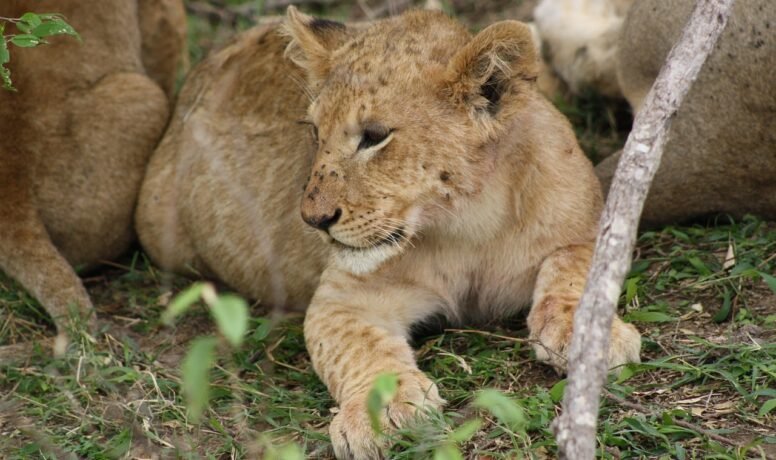
Ever imagined how a Track The Lions Safari experience would be?
Few wildlife experiences can match the thrill of tracking lions in their natural habitat. The anticipation as you follow fresh paw prints, the surge of adrenaline when you hear a distant roar, and the breathtaking moment when you finally spot the golden mane of a male lion or witness a pride on the hunt—these are the moments that define an unforgettable Track The Lions Safari in Kenya.
Kenya has rightfully earned its reputation as the premier destination for lion encounters in Africa. With healthy populations distributed across diverse ecosystems, specialized guides who understand big cat behavior, and excellent infrastructure that balances authentic wilderness experiences with visitor comfort, Kenya offers unparalleled opportunities for those fascinated by these magnificent predators.
This comprehensive guide explores everything you need to know about planning and experiencing the ultimate lion tracking safari in Kenya, from understanding pride behavior to selecting the perfect destinations and timing your visit for optimal sightings. Whether you’re a wildlife photographer seeking that perfect shot, a nature enthusiast eager to understand predator ecology, or simply someone who dreams of witnessing the king of beasts in its natural realm, Kenya promises lion encounters that will exceed your expectations.
## Why Kenya Offers the World’s Best Lion Tracking Experiences
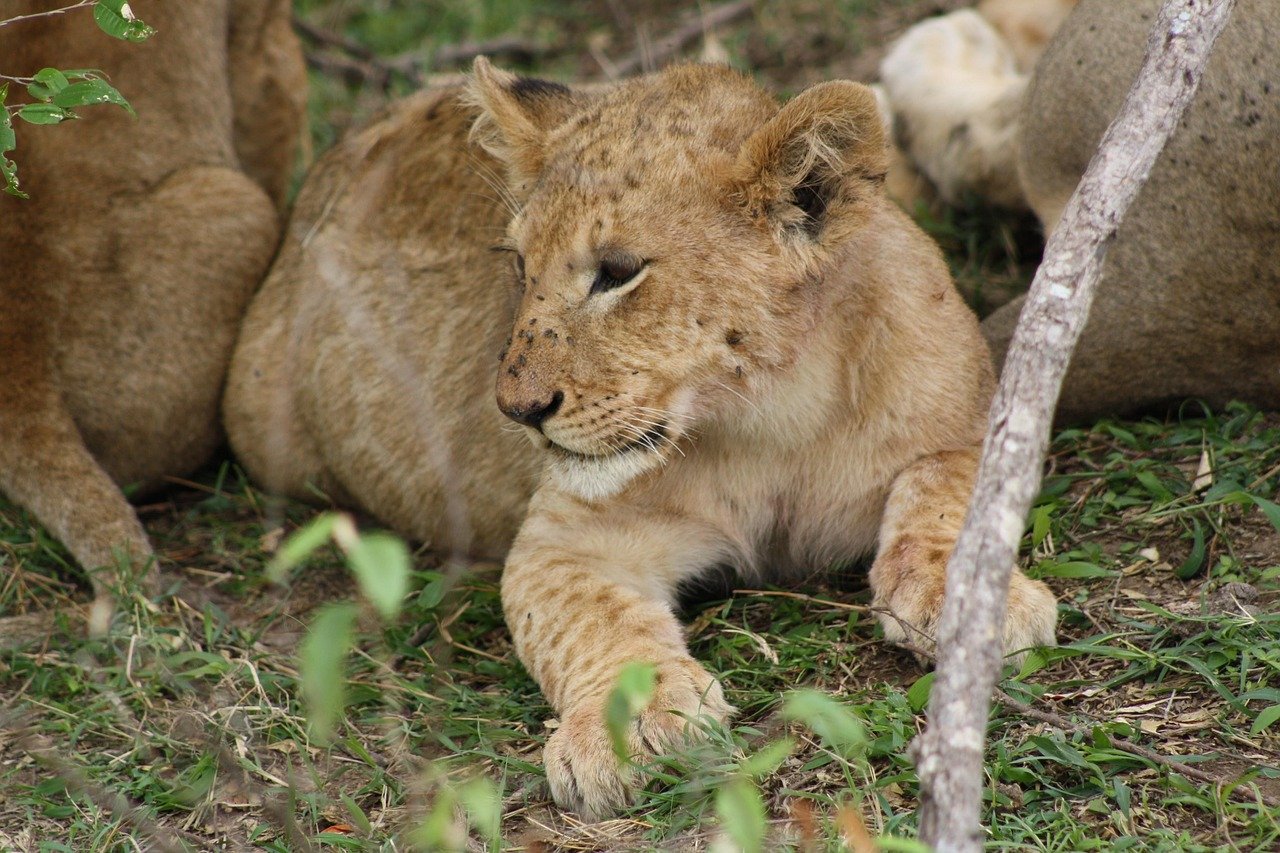
Several factors combine to make Kenya the ultimate destination for a Track The Lions Safari, distinguishing it from other African countries where these magnificent predators can also be found.
First, Kenya boasts exceptional lion density in its key protected areas. The Maasai Mara ecosystem, in particular, supports one of Africa’s highest concentrations of lions, with some studies estimating up to 15 lions per 100 square kilometers in prime habitat. This abundance significantly increases your chances of multiple, high-quality sightings during your Track The Lions Safari, even on relatively short visits.
Second, Kenya’s varied landscapes create diverse lion viewing opportunities. From the open grasslands of the Maasai Mara where visibility extends for miles, to the acacia woodlands of Samburu where lions display different hunting techniques, to the unique settings of Tsavo where lions once earned a fearsome “man-eater” reputation—each region offers distinct perspectives on lion behavior and adaptation.
Third, Kenya’s safari industry has developed specialized expertise in lion tracking. Many guides have spent decades observing specific lion prides, understanding their territories, preferred hunting grounds, and individual behaviors. This deep knowledge translates into an enhanced experience for visitors, with guides who can interpret subtle behaviors and anticipate movements, maximizing your chances of witnessing hunting, mating, or cub-rearing activities during your Track The Lions Safari.
Fourth, Kenya’s conservation model has created successful partnerships between protected areas, private conservancies, and research organizations. Many conservancies work with projects like the Mara Predator Conservation Program or the Ewaso Lions Project, which monitor lion populations and movements. These research initiatives not only contribute to conservation but also provide guides with up-to-date information on pride locations and behaviors, enhancing your tracking experience.
Finally, Kenya offers exceptional infrastructure that balances authentic wilderness immersion with necessary comforts. From luxury lodges with views overlooking known lion territories to mobile camps that follow predator movements, accommodation options enhance rather than detract from the wilderness experience, allowing you to remain in prime lion habitat throughout your Track The Lions Safari.
## The Lion’s Kingdom: Understanding Pride Behavior and Habitats
To fully appreciate a Track The Lions Safari in Kenya, it helps to understand the complex social structures and behaviors that make these big cats so fascinating. Unlike most other feline species, lions are highly social animals that typically live in family groups called prides.
A typical pride consists of related females, their cubs of varying ages, and a coalition of males (usually 2-4 brothers or cousins) who have claimed breeding rights. This social structure evolved as an adaptation that allows lions to defend territories and hunt more effectively than they could as solitary animals. Pride sizes in Kenya vary considerably, from as few as 4-6 individuals to over 20 in prey-rich areas like the Maasai Mara.
Pride dynamics create fascinating behaviors observable during your Track The Lions Safari. Female lions form the stable core of the pride, typically remaining in their birth territory for life. They work cooperatively to hunt, defend territory, and raise cubs, with fascinating systems of shared nursing and cub protection. Males, conversely, must leave their birth pride when mature, forming coalitions with other young males before challenging established males for control of a pride—one of nature’s most dramatic power struggles.
Lion territories vary in size depending on habitat type and prey abundance. In prey-rich environments like the Maasai Mara, prides may maintain territories as small as 20 square kilometers, while in more arid regions like parts of Tsavo, territories can expand to over 400 square kilometers. Understanding these territorial patterns helps explain why certain areas consistently deliver excellent lion sightings for your Track The Lions Safari.
Daily lion behavior follows predictable patterns that guides use to maximize tracking success. Lions are primarily nocturnal and crepuscular (active at dawn and dusk), making early morning and late afternoon game drives optimal for witnessing active behaviors. During the heat of the day, lions typically rest in shade, often near water sources or in elevated positions that catch cooling breezes—knowledge that experienced guides use to locate prides during midday hours.
Hunting techniques vary based on available prey and habitat. In open grasslands, lionesses often employ coordinated ambush strategies, with some pride members circling to drive prey toward others waiting in concealment. In more wooded habitats, lions rely more heavily on stalking to close distance before the final chase. A comprehensive Track The Lions Safari might allow you to observe these different techniques across various Kenyan ecosystems.
Perhaps most fascinating are the complex vocalizations lions use to communicate. The iconic roar, audible up to 8 kilometers away, primarily serves to advertise territorial ownership and coordinate pride movements. Different growls, grunts, and calls communicate specific messages between pride members. Experiencing these vocalizations during your Track The Lions Safari—particularly the spine-tingling sound of lions roaring near your camp at night—creates memories that resonate long after your journey ends.
## Top Destinations for Lion Tracking in Kenya
Kenya offers several exceptional destinations for your Track The Lions Safari, each with unique advantages and characteristics. Understanding the distinctions helps you select locations that align with your specific interests, whether photography, behavior observation, or witnessing particular lion-prey interactions.
### Maasai Mara: The Lion Capital of Africa
The Maasai Mara National Reserve and surrounding conservancies undoubtedly offer Kenya’s—and possibly Africa’s—premier lion tracking experience. Several factors contribute to the Mara’s exceptional status for your Track The Lions Safari:
The open grassland ecosystem provides unparalleled visibility, allowing observation of lions from respectful distances without losing sight of subtle behaviors and interactions. This landscape, combined with the Mara’s healthy lion population, creates frequent opportunities to witness complete hunting sequences from stalking to chase to capture—dramatic moments that remain etched in memory.
The annual wildebeest migration (approximately July through October) concentrates enormous prey numbers in the ecosystem, creating a natural feast for the Mara’s lion prides. During this period, lions often become more active during daylight hours due to the abundance of hunting opportunities, increasing your chances of witnessing predation during your Track The Lions Safari.
Several lion prides in the Mara have been extensively studied and documented, including through BBC wildlife programs like Big Cat Diary. These “celebrity” prides, including the Marsh Pride, Ridge Pride, and Paradise Pride, have been observed for generations, allowing guides to share detailed histories and context that enrich your understanding of pride dynamics.
The Mara’s combination of national reserve and private conservancies offers different advantages for lion tracking. The national reserve provides access to legendary landscapes and lion territories, while the private conservancies surrounding it limit vehicle numbers and permit activities prohibited in the main reserve, such as night drives and guided walks, extending your lion observation opportunities.
For photographers, the Mara’s open terrain and quality of light create ideal conditions for capturing dramatic lion images. The golden grasslands provide perfect backgrounds, while the ability to position vehicles optimally (following strict ethical guidelines) allows for compelling compositions during your Track The Lions Safari.
### Amboseli: Lions Against the Backdrop of Kilimanjaro
While perhaps better known for its elephant populations, Amboseli National Park offers distinctive lion tracking opportunities that complement other Kenyan destinations. Several characteristics make Amboseli worth considering for part of your Track The Lions Safari:
The backdrop of Mount Kilimanjaro creates arguably the most scenic setting for lion photography in Africa. When conditions align—clear skies revealing the mountain’s snow-capped peak with lions in the foreground—the photographic opportunities are unmatched anywhere on the continent.
Amboseli’s varied habitats, including woodlands, marshes, and open plains, support different lion hunting strategies observable within a relatively compact area. Lions here have adapted to hunting in wetland environments, sometimes pursuing prey through shallow water—behavior not commonly seen in other parks.
The park’s relatively small size (392 square kilometers) and excellent road network make lion tracking efficient, with information about sightings quickly shared among guides. This accessibility makes Amboseli an excellent choice for visitors with limited time who still want quality lion encounters during their Track The Lions Safari.
Several research projects monitor Amboseli’s lions, including initiatives focused on human-wildlife conflict mitigation in surrounding community areas. Some lodges and camps arrange presentations by researchers, adding educational depth to your lion tracking experience.
### Tsavo: Home to the Legendary Man-Eaters
The combined Tsavo East and West National Parks form Kenya’s largest protected area and offer a distinctly different lion tracking experience. Several unique aspects make Tsavo worth considering for your Track The Lions Safari:
Tsavo holds a special place in lion lore as the setting for the infamous “Man-Eaters of Tsavo” incident in the late 1890s, when a pair of male lions killed numerous railway workers during bridge construction. This history adds a fascinating dimension to lion tracking here, with some lodges displaying historical photographs and accounts of these events.
Tsavo’s lions exhibit some physical differences from those in other regions, with males often having less developed manes—an adaptation believed to help with heat regulation in this hotter, drier environment. Some Tsavo lions also show a reddish tint to their coats from rolling in the region’s distinctive red soil, creating unique photographic opportunities during your Track The Lions Safari.
The vast size of the Tsavo ecosystem (over 20,000 square kilometers) means lower visitor density compared to more famous parks like the Maasai Mara. This translates to more exclusive sightings, where you might spend extended periods observing lions without other vehicles present—an increasingly rare experience in more popular destinations.
Tsavo’s diverse landscapes, from open savanna to dense woodland and dramatic kopjes (rocky outcrops), create varied lion habitats within a single ecosystem. Lions here have adapted different hunting strategies for these varied environments, potentially allowing you to observe a wider range of behaviors during a longer stay.
### Meru National Park: Off-the-Beaten-Path Lion Encounters
For travelers seeking lion encounters away from the more visited parks, Meru National Park offers an excellent alternative that combines quality sightings with a genuine wilderness atmosphere. Several factors make Meru worth considering for part of your Track The Lions Safari:
Meru gained international fame through Joy Adamson’s book “Born Free” and the subsequent film about Elsa the lioness. This conservation legacy continues today, with Meru hosting important lion populations in a less-visited environment that maintains an authentic wilderness feel rarely found in more popular parks.
The park’s varied habitats, including riverine forests, open grasslands, and doum palm groves, support healthy lion populations with diverse hunting behaviors. The thirteen rivers crossing Meru create year-round water sources that attract prey animals and subsequently predators, increasing your chances of quality sightings.
Visitor numbers in Meru remain significantly lower than in Kenya’s more famous parks, creating a more exclusive experience where lion sightings aren’t shared with numerous other vehicles. This exclusivity allows for more natural observation of behaviors undisturbed by tourism pressure during your Track The Lions Safari.
Several excellent lodges and camps in and around Meru specialize in predator tracking, employing guides with specific expertise in locating and interpreting lion behavior. Some properties maintain communication with Kenya Wildlife Service rangers who monitor lion movements, further enhancing tracking success.
## Best Times of Day for Lion Tracking Success
Maximizing your lion sightings during a Track The Lions Safari requires understanding how time of day influences lion behavior and activity patterns. Strategic timing dramatically increases your chances of witnessing active behaviors rather than simply observing resting lions.
Early morning game drives, typically departing at or before sunrise, offer exceptional lion tracking opportunities. Lions often remain active in the cooler morning hours, particularly if they’ve been hunting overnight. Following nocturnal hunts, early morning may reveal lions feeding on kills, an important behavior rarely observed later in the day. The soft morning light also creates ideal conditions for photography, with golden illumination that enhances the lions’ coats and creates dramatic shadows that add dimension to images.
During your Track The Lions Safari, guides typically focus morning drives on areas where lions were heard vocalizing overnight or near known territories of resident prides. Fresh tracks and other signs become visible in the morning light, allowing skilled guides to follow recent movements. The morning hours also offer the best opportunities to witness interactions between lions and other predators like hyenas, which may attempt to scavenge lion kills as the night hunting advantage shifts with increasing daylight.
Midday hours (roughly 10 AM to 3 PM) typically show reduced lion activity, as the heat prompts them to seek shade and rest. However, this doesn’t mean midday drives are without value for your Track The Lions Safari. Experienced guides know likely resting locations—often along riverbanks, under acacia trees, or atop rocky outcrops that catch cooling breezes. Observing resting lions allows appreciation of pride social dynamics, including grooming behaviors, cub play, and the subtle communications that maintain pride bonds.
Late afternoon drives (from about 3 PM until sunset) offer another prime window for lion activity. As temperatures cool, lions typically become more alert, beginning to stretch, groom, and eventually rise for evening movement and hunting. This transition from rest to activity provides excellent behavioral observation and photography opportunities. The hours approaching sunset often reveal lions beginning to patrol territories, vocalize, and position themselves for night hunting—behaviors that showcase their predatory focus and coordination.
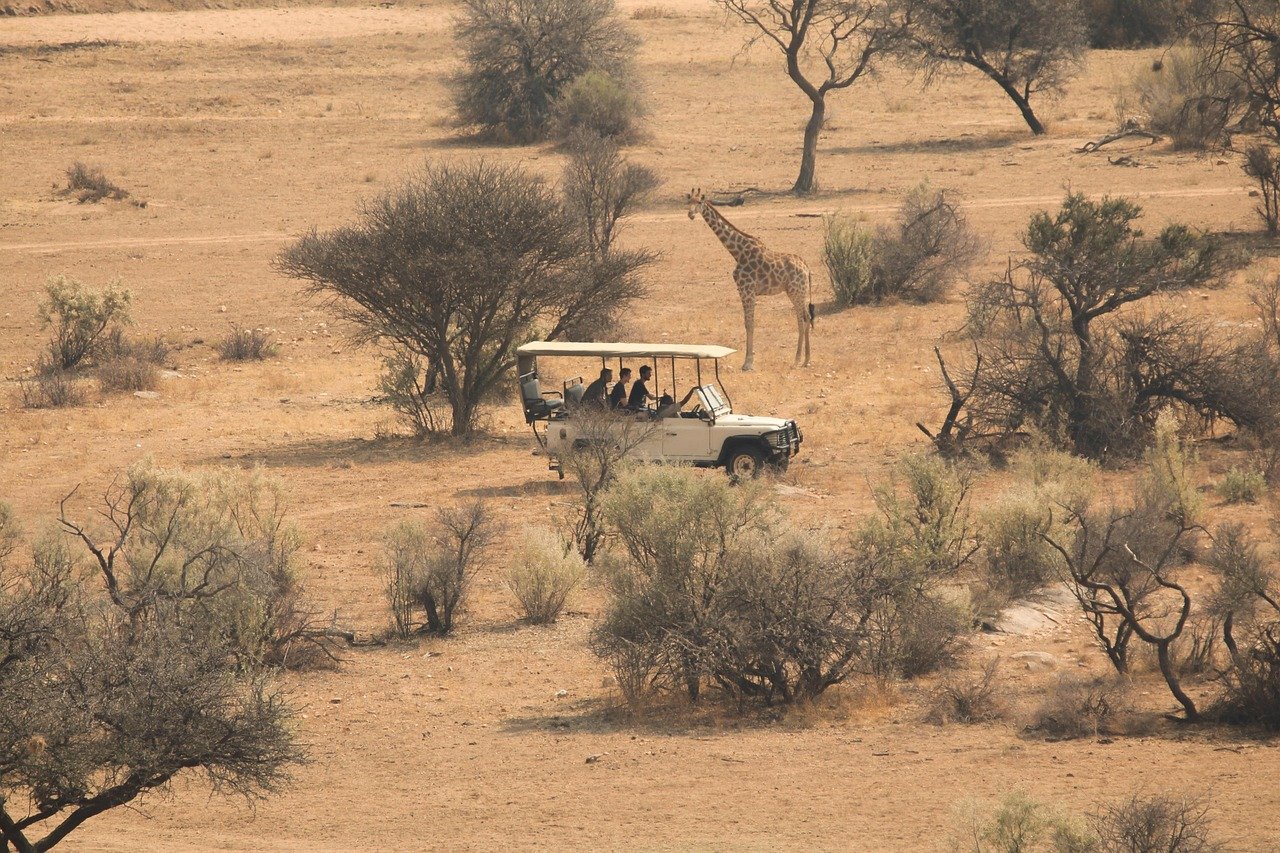
For the most comprehensive Track The Lions Safari experience, consider staying in private conservancies that permit night drives (not allowed in national parks and reserves). These excursions, typically conducted for 1-2 hours after sunset or before sunrise, provide rare glimpses of lions’ nocturnal hunting behaviors. Using red-filtered spotlights that don’t disturb the animals, guides can reveal stalking techniques, coordinated hunting strategies, and other behaviors rarely observed during daylight hours.
Weather conditions also influence optimal tracking times. During rainy periods, lions often remain active for longer during daylight hours, as cooler temperatures reduce heat stress. Conversely, during particularly hot periods, lions may restrict almost all activity to nighttime, making early morning tracking even more crucial for successful sightings during your Track The Lions Safari.
## Photography Tips for Capturing the Perfect Lion Moments
A Track The Lions Safari offers extraordinary photographic opportunities, from portraits showcasing the majestic features of male lions to action sequences of hunting behavior and tender moments between mothers and cubs. Maximizing these opportunities requires preparation, understanding, and technique.
Equipment considerations should balance capability with practicality. While professional wildlife photographers might utilize massive telephoto lenses (500mm or longer), most travelers find a versatile zoom lens in the 100-400mm range adequate for most lion photography in Kenya. The open terrain in many prime lion habitats allows vehicles to maintain respectful distances while still providing excellent visibility. A secondary body with a wider lens (24-70mm or similar) proves valuable for environmental shots that place lions in their landscape context.
Understanding light represents perhaps the most crucial element of successful lion photography during your Track The Lions Safari. The golden hours around sunrise and sunset provide warm, directional light that enhances the lions’ coats and creates dramatic modeling. Working with your guide to position the vehicle with the light at an appropriate angle (usually coming from behind or at a 45-degree angle to your position) dramatically improves results. During harsh midday light, seek lions resting in dappled shade, where the contrast becomes more manageable.
Composition elevates lion photography from documentary to artistic. Consider these techniques during your Track The Lions Safari:
– Leave space in the frame in the direction the lion is looking or moving, creating a sense of environment and potential action
– Include environmental elements that tell a story about the habitat—an acacia tree, a rocky outcrop, or the golden grasslands
– For close portraits, focus precisely on the eyes, which should be sharp even if other elements are slightly soft
– When photographing multiple lions, look for interesting arrangements, interactions, or contrasts between individuals
– Be patient for behavioral moments—a yawn revealing impressive canines, a tender grooming interaction, or a communication between pride members
Camera settings require careful consideration. For stationary lions in good light, prioritize image quality with lower ISO settings (100-400). For action or lower light, be prepared to increase ISO (800-3200 depending on your camera’s capabilities) to maintain adequate shutter speeds. For portraits, apertures around f/5.6-f/8 provide sufficient depth of field while still creating pleasing background separation. For action sequences, shutter speeds of at least 1/1000 second help freeze motion during dramatic moments.
Anticipation distinguishes exceptional lion photography. Working with experienced guides during your Track The Lions Safari provides invaluable advantages, as they recognize subtle behavioral cues that precede interesting actions. A lion’s focused stare, a change in ear position, or a specific vocalization might signal hunting intent. Cubs settling into play postures often precede delightful interaction sequences. Learning to recognize these cues helps you prepare for fleeting moments.
Ethical considerations should always take precedence over photography. Respect your guide’s positioning decisions, which balance optimal viewing with minimal disturbance to the animals. Never request that a vehicle move closer if doing so might alter natural behaviors. The best images result from patience and respect, allowing lions to act naturally in your presence rather than responding to intrusive positioning.
## Conservation Efforts: How Tourism Helps Protect Kenya’s Lions
A Track The Lions Safari contributes directly to conservation efforts protecting these magnificent predators, which face significant challenges across their range. Understanding this conservation connection adds meaningful context to your wildlife experience.
Lion populations have declined dramatically across Africa over recent decades, with estimates suggesting a continent-wide reduction from approximately 200,000 individuals a century ago to fewer than 25,000 today. Kenya has fared better than many countries, maintaining relatively stable populations in key protected areas, but lions still face numerous threats including habitat loss, human-wildlife conflict, poaching, and prey depletion.
Tourism represents one of the most effective conservation tools for lions in Kenya through several mechanisms:
Economic value creation forms the foundation of tourism’s conservation impact. When lions and other wildlife generate significant revenue through activities like your Track The Lions Safari, they become valuable assets worth protecting. Local communities, regional governments, and national authorities recognize that living lions contribute more to economic development than alternative land uses that would eliminate wildlife habitat.
Employment generation creates direct stakeholders in lion conservation. From guides and camp staff to anti-poaching teams and research assistants, wildlife tourism creates thousands of jobs dependent on healthy lion populations. These employees become conservation advocates within their communities, helping shift perceptions of lions from threats to assets.
Several innovative conservation models in Kenya directly link your Track The Lions Safari to protection efforts:
Conservancy models, particularly prevalent around the Maasai Mara, involve tourism operators paying guaranteed land lease fees to community landowners who agree to reserve their land for wildlife rather than other uses like farming or intensive grazing. These arrangements create wildlife dispersal areas and buffer zones around core protected areas, expanding effective lion habitat while providing communities with sustainable income.
Conservation fees included in tourism costs directly fund protection efforts. Whether visiting national reserves or private conservancies, a portion of what you pay for your Track The Lions Safari supports ranger salaries, vehicle maintenance, surveillance technology, and other security measures that protect lions from poaching and monitor population health.
Research partnerships between tourism operations and lion conservation organizations generate crucial data while providing extraordinary guest experiences. Projects like the Mara Predator Conservation Program and Ewaso Lions work closely with safari operators, sharing information that enhances both tracking success for visitors and scientific understanding of lion populations, movements, and threats.
Community benefit programs funded by tourism reduce human-wildlife conflict, one of the greatest threats to lions outside protected areas. Initiatives ranging from reinforced livestock enclosures and compensation schemes for predator losses to education programs and healthcare support demonstrate tangible benefits from wildlife tourism to communities living alongside lions.
By choosing operators committed to responsible practices for your Track The Lions Safari, you maximize your positive impact. Look for companies that:
– Contribute to conservation initiatives beyond required park fees
– Employ guides from local communities and invest in their professional development
– Maintain appropriate wildlife viewing practices that minimize disturbance
– Support community development projects in areas surrounding lion habitats
– Participate in research and monitoring programs that track lion populations
These commitments ensure that your Track The Lions Safari contributes to a sustainable future where these magnificent predators continue to thrive in Kenya’s diverse ecosystems.
## Beyond Lions: Other Big Cats of Kenya
While lions rightfully claim the spotlight during a Track The Lions Safari, Kenya offers opportunities to observe and photograph other magnificent big cats, each with unique behaviors and adaptations. Understanding these species enhances your appreciation of Kenya’s predator diversity and the complex ecological relationships within its ecosystems.
### Cheetah Tracking Adventures
The cheetah, with its distinctive tear marks, spotted coat, and slender build designed for speed, offers a fascinating contrast to the more robust lion. Kenya hosts significant cheetah populations in several key habitats, making it one of Africa’s premier destinations for observing these elegant cats during your Track The Lions Safari.
The Maasai Mara ecosystem provides exceptional cheetah viewing opportunities, particularly in the open grasslands where these cats can utilize their remarkable speed—reaching up to 70 mph in short bursts—to chase down prey like Thomson’s gazelles and impala. The Mara’s elevated termite mounds offer cheetahs natural observation platforms, where they’re frequently spotted scanning for both prey and potential threats from other predators.
Unlike the social lions, cheetahs typically live solitary lives, with the exception of mothers with cubs and occasionally small male coalitions (usually brothers) that hunt cooperatively. This different social structure creates distinct behavioral observations during your Track The Lions Safari. Cheetah mothers invest significant time teaching cubs hunting skills through practice sessions, creating some of the most endearing wildlife viewing opportunities as cubs attempt to master the stalking and chasing techniques essential for their survival.
Cheetahs face unique conservation challenges, including competition with larger predators like lions and hyenas that frequently steal their kills, habitat fragmentation that limits their extensive territorial requirements, and human-wildlife conflict in areas where they occasionally take livestock. Several specialized conservation programs in Kenya focus on cheetah protection, including initiatives that work with communities to reduce retaliatory killing and habitat preservation efforts in key cheetah territories.
### Elusive Leopard Sightings
The leopard, most secretive of Africa’s big cats, presents the greatest tracking challenge but often provides the most rewarding sightings during your Track The Lions Safari. Masters of camouflage with rosette-patterned coats that blend perfectly with dappled light, leopards primarily inhabit woodland and riverine forest habitats where their stealth hunting approach proves most effective.
Several Kenyan ecosystems offer excellent leopard tracking opportunities. The Maasai Mara’s riverine forests along the Talek and Mara rivers harbor healthy leopard populations, with certain territories known to guides who specialize in locating these elusive cats. The Samburu-Buffalo Springs ecosystem in northern Kenya supports leopards that have adapted to the region’s more arid conditions, often found among the doum palms and acacia thickets along seasonal watercourses.
Unlike lions, leopards are solitary hunters that rely on ambush techniques rather than cooperative strategies. Their extraordinary strength allows them to hoist kills into trees, protecting them from other predators and scavengers—a behavior that creates one of the most iconic African wildlife images during your Track The Lions Safari. Leopards primarily hunt at night but are occasionally active during early morning and late afternoon, particularly in areas with minimal human disturbance.
Leopard conservation faces distinct challenges from those affecting lions and cheetahs. Their adaptability allows them to survive in a wider range of habitats, including areas with significant human presence, but this adaptability sometimes leads to conflict when they prey on livestock. Their magnificent spotted coats have historically made them targets for poachers, though this threat has diminished in Kenya due to effective protection measures and changing international attitudes toward fur.
For the dedicated wildlife enthusiast, combining lion tracking with searches for cheetahs and leopards creates a comprehensive big cat safari experience that showcases the remarkable adaptations each species has evolved. The contrasts in social structure, hunting techniques, preferred habitats, and physical characteristics tell a fascinating evolutionary story of how different predator strategies can succeed within the same ecosystem.
## Go Round Africa’s Specialized Lion Tracking Safaris
Recognizing the particular appeal of lion encounters, Go Round Africa has developed specialized Track The Lions Safari experiences that maximize opportunities for extraordinary sightings while maintaining the highest standards of responsible wildlife viewing. These carefully crafted itineraries combine Kenya’s premier lion territories with expert guiding and strategically selected accommodations to create unparalleled big cat adventures.
The company’s approach begins with timing. Their specialized lion safaris are scheduled to coincide with periods of optimal predator activity in each region, whether that’s the dry season concentration of prey around water sources in Tsavo or the migration period in the Maasai Mara when hunting opportunities for lions peak. This strategic timing dramatically increases your chances of witnessing active behaviors rather than simply observing resting lions.
Accommodation selection forms another crucial element of these specialized experiences. Go Round Africa partners with lodges and camps specifically positioned in or near known lion territories, from properties overlooking the Mara River where prides frequently hunt to intimate camps in the private conservancies of Laikipia where night drives reveal nocturnal lion behaviors. Many selected properties feature viewing decks or strategically positioned waterholes that create opportunities for lion observation directly from camp.
Guide selection distinguishes truly exceptional Track The Lions Safari experiences. Go Round Africa works with guides who demonstrate particular expertise in predator tracking and behavior interpretation. Many have participated in lion research projects or worked alongside conservation organizations, developing specialized knowledge that enhances both finding lions and understanding the behaviors you observe. These guides can interpret subtle territorial markings, recognize individual lions and their histories, and anticipate movements based on environmental conditions and prey locations.
Vehicle selection and positioning significantly impact the quality of lion encounters. The company utilizes 4×4 vehicles with features optimized for photography and viewing, including roof hatches that allow standing for better visibility, camera supports for stability during longer observations, and configurations that ensure each guest has window access. Guides are trained in positioning techniques that consider light direction, background elements, and minimal disturbance to create optimal viewing and photography conditions.
For photography enthusiasts, specialized Track The Lions Safari options include additional features that enhance image-making opportunities. These may include private vehicles that allow flexibility in time allocation when exceptional sightings occur, specialized photography guides who understand both lion behavior and image composition, and itineraries that revisit prime territories at different times of day to capture varied lighting conditions and behaviors.
Conservation connection forms an integral component of these specialized experiences. Many itineraries include opportunities to engage with lion researchers or conservation organizations, perhaps visiting monitoring stations, participating in citizen science projects that track lion movements, or enjoying camp presentations from scientists working on the frontlines of big cat protection. These elements add educational depth to the experience while demonstrating how tourism directly supports conservation efforts.
For the ultimate Track The Lions Safari experience, Go Round Africa offers customized itineraries that combine multiple lion habitats across Kenya, allowing observation of how these magnificent predators have adapted to different ecosystems. From the open plains of the Maasai Mara to the woodlands of Samburu and the vast wilderness of Tsavo, these comprehensive journeys showcase the remarkable adaptability that has made lions such successful predators across diverse African landscapes.
## Conclusion: The Unforgettable Thrill of Lion Encounters
A Track The Lions Safari in Kenya offers more than just wildlife viewing; it provides a window into one of nature’s most perfect evolutionary success stories. Lions have captivated human imagination throughout history, featuring prominently in art, literature, and cultural symbolism across civilizations. Encountering these magnificent predators in their natural habitat creates memories and emotions that resonate long after your journey ends.
The experience engages all senses in ways that photographs or documentaries never can. The deep, reverberating sound of a male lion’s roar echoing across the savanna at dawn. The distinctive scent marking the presence of a pride even before they become visible. The golden light illuminating a lioness’s focused gaze as she contemplates her next hunt. These sensory impressions create a form of connection with the natural world that has become increasingly rare in our digital age.
Beyond the immediate thrill of sightings, a Track The Lions Safari offers deeper rewards through understanding the complex social structures and behaviors that have allowed lions to thrive as apex predators. Witnessing the coordination of a pride hunt, the tenderness between mothers and cubs, or the majestic territorial patrolling of male coalitions reveals the sophisticated social intelligence that distinguishes lions from most other feline species. These observations often prompt reflection on our own social structures and relationships.
Conservation awareness represents another valuable dimension of the experience. As you learn about the challenges facing lion populations and the innovative solutions being implemented to address them, you gain perspective on broader environmental issues and the crucial role of sustainable tourism in protecting endangered species. Many travelers return from a Track The Lions Safari with renewed commitment to supporting conservation efforts, having witnessed firsthand both the magnificence of these creatures and the threats they face.
For many, a lion encounter becomes a defining travel moment—one that creates stories shared for years afterward and often inspires return visits to deepen the experience. The unpredictability of wildlife viewing means that each safari day offers new potential for discovery, whether observing behaviors you haven’t previously witnessed or encountering different prides with their own unique dynamics and histories.
As you consider your own African adventure, remember that a Track The Lions Safari represents an investment not just in extraordinary personal experiences but in the future of these magnificent predators. By choosing responsible operators like Go Round Africa, you contribute directly to conservation efforts that ensure lions continue to roam Kenya’s landscapes for generations to come, allowing future travelers to experience the same wonder and connection that make these encounters so powerful.
The lions of Kenya await your discovery—from the famous prides of the Maasai Mara to the red-tinged hunters of Tsavo, from the leopard-like stalkers of Samburu’s thickets to the mountain-shadowed predators of Amboseli. Each encounter offers new insights, emotions, and photographic opportunities that together create one of travel’s most profound wildlife experiences.
Experience the thrill of tracking lions in their natural habitat with expert guides who know exactly where to find these magnificent creatures. Book your specialized lion safari with Go Round Africa Tours today!